The 5 Best Museums Around Summit County
A museum visit in Summit County can lead from an 1880s classroom to the story of a naturalist whose wildlife collection helped form a major Colorado institution. Local historic sites preserve far more than objects behind glass. Original buildings, photographs, archival materials, mining equipment and interpretive exhibits document how Indigenous peoples, miners, railroad workers, ranchers, entrepreneurs and other residents shaped the High Country. The Best of Summit recognizes the organizations and historic places that preserve these connections to the region’s past while making them accessible to people today.
Frisco Historic Park & Museum || Town of Frisco
Frisco Historic Park & Museum turns a portion of downtown Frisco into a walk through the community’s history. Visitors can explore original structures from the 1880s that once served as homes, saloons, hotels, a chapel and a ranch house. At the center stands the restored 1899 Schoolhouse, which appears on the National Register of Historic Places and contains exhibits, photographs, artifacts and an extensive model train diorama. Across the historic buildings, exhibits examine subjects including the Ute people, mining, railroads, ranching, government, skiing, fashion and everyday life. Frisco’s own history supplies plenty of material: The mining community grew to about 250 permanent residents by 1882, declined to only 18 by 1930 and later entered another period of growth as skiing transformed Summit County. Admission to the park and museum is free, and the organization expands its historical programming through lectures, walking tours, educational programs and special events.
Breckenridge History
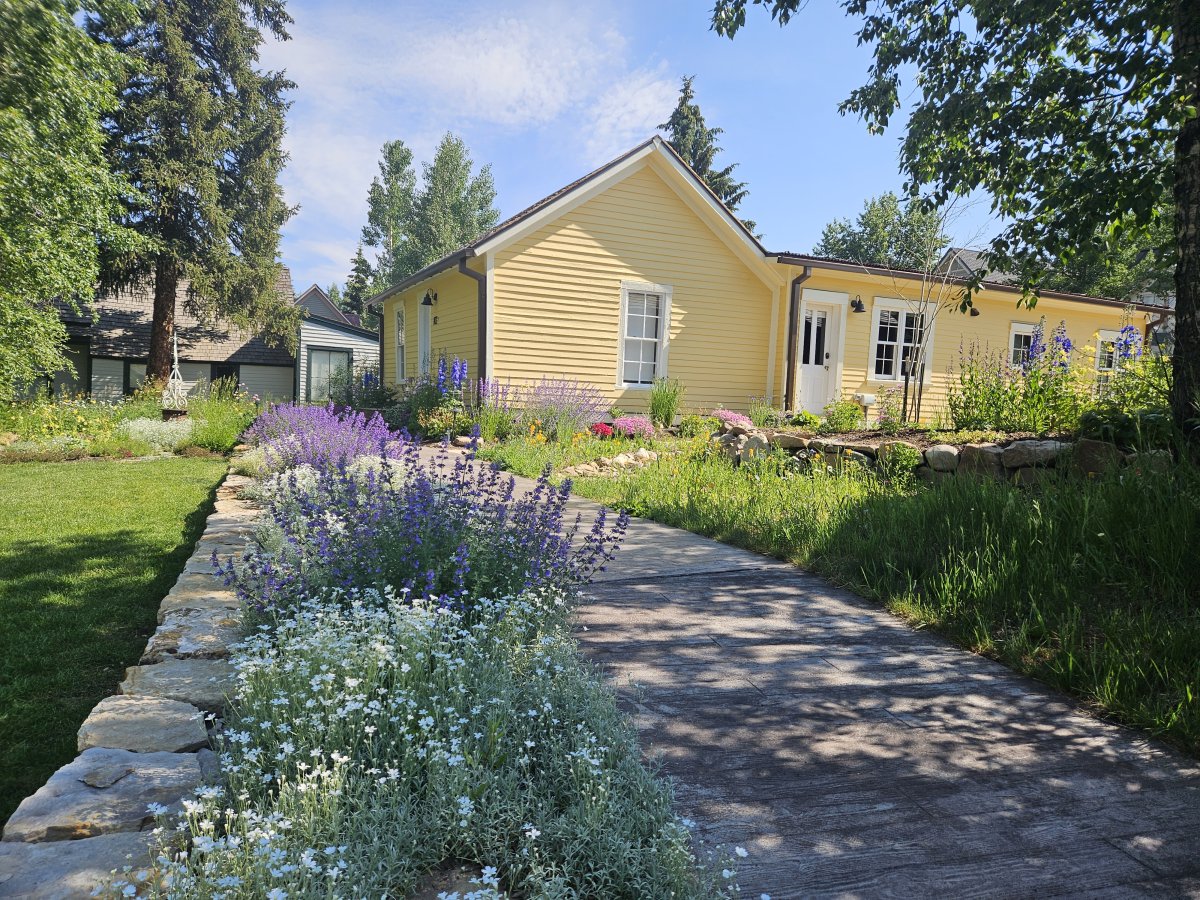
Breckenridge History approaches the past through a network of museums, historic sites, archives, preservation projects and guided experiences rather than a single building. The Town of Breckenridge established the organization in 2006, originally as the Breckenridge Heritage Alliance, to manage historic assets, develop exhibits and carry out preservation work. Its museums include the Barney Ford Museum, Edwin Carter Museum and Breckenridge Welcome Center Museum, while outdoor sites range from the High Line Railroad Park to the Washington Mine and Milling Exhibit. The organization also leads walking tours, hikes, mine-related experiences and other programs that connect local stories to the places where they happened. An archives facility opened in 2015 to preserve photographs, maps, brochures, ephemera and other materials spanning Breckenridge’s history. Preservation remains another major part of the work, extending from historic buildings in town to mining resources and other sites on public lands.
Old Dillon Schoolhouse || Summit Historical Society
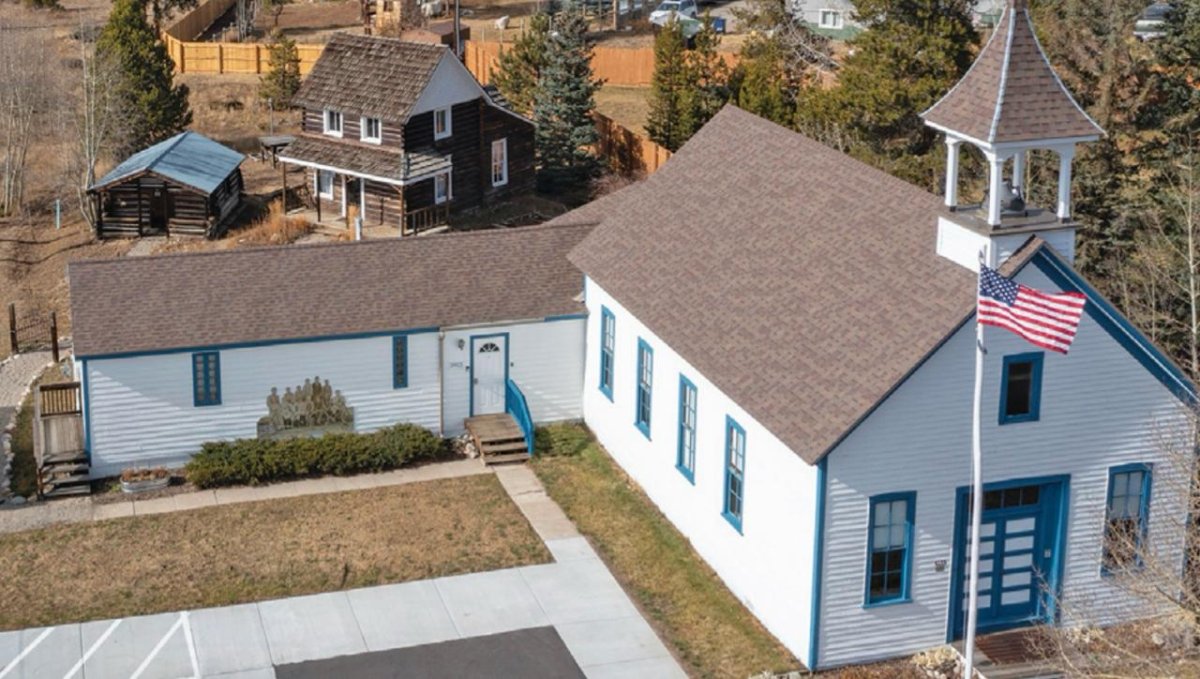
The Old Dillon Schoolhouse has survived changes that transformed both the community and the surrounding landscape. Dillon built the one-room frame school in 1883 for children from the town’s early families, using building materials that the railroad made easier to bring into the mountain community. The original belfry and bell remain, along with architectural details that include casement windows and a pressed-tin ceiling. After a larger school opened in 1910, the building served as a Sunday school and mission church. Construction of Dillon Reservoir later forced the relocation of Old Dillon, and local women played a central role in preserving and moving the former schoolhouse. It became a museum in 1972 and joined the Colorado State Register of Historic Properties in 2025. Today, its classroom evokes 1892 through McGuffey desks, Heath readers, slates and chalk, learning stations and an 1885 piano. The surrounding Summit Historical Society campus also preserves historic cabins that broaden the story of early life in the county.
Edwin Carter Museum || Breckenridge History
The Edwin Carter Museum tells the story of a miner who changed course after seeing the environmental consequences of the industry around him. Edwin Carter began assembling and studying Rocky Mountain wildlife and operated a museum at his Breckenridge home beginning in 1875. His work eventually produced an extensive collection of Colorado fauna. In 1900, that collection became the nucleus of what developed into today’s Denver Museum of Nature & Science, giving Carter’s work significance well beyond Summit County. Breckenridge History later completed a major rehabilitation of the 1875 building, creating exhibits that trace Carter’s progression from miner to taxidermist and naturalist. The museum still contains taxidermy from his original collection, connecting the exhibits directly to the work Carter conducted there. Visitors encounter both the story of one Breckenridge resident and an early chapter in Colorado natural science within the historic home where much of that work took place.
Red, White & Blue Fire Museum
Breckenridge’s firefighting history reaches back to an era when volunteer companies played roles in both public safety and community life. Fireman’s Hall once served as a center of local activity, and after the building moved to Main Street in 1888, renovations created space associated with Breckenridge’s three fire companies. The dangers facing those volunteers became especially clear in 1896, when a major South Main Street fire broke out while many firefighters worked in area mines. The historic hall eventually came down in 1941, but the Red, White & Blue Fire Protection District continues to preserve this part of local history through its fire museum. The collection includes antique firefighting apparatus and artifacts that document earlier methods of protecting the mountain community. Guided museum tours and interpretation of early firefighting equipment connect that history with the district’s modern role as a professional, all-hazards emergency response department.
– Created or enhanced with ChatGPT
2 Breckenridge History
-
2026 Finalist
Breckenridge, CO 80424
3 Old Dillon Schoolhouse - Summit Historical Society
-
2026 Finalist
Dillon, CO 80435
4 Edwin Carter Museum - Breckenridge History
-
2026 Top 5
Breckenridge, CO 80424
{{ business.name }}
Browse {{ bestofTitle }} Winners
Browse Previous Winners
{{ bestof.title }}